
Reasoning, Not Memorising: Why Top Students Struggle
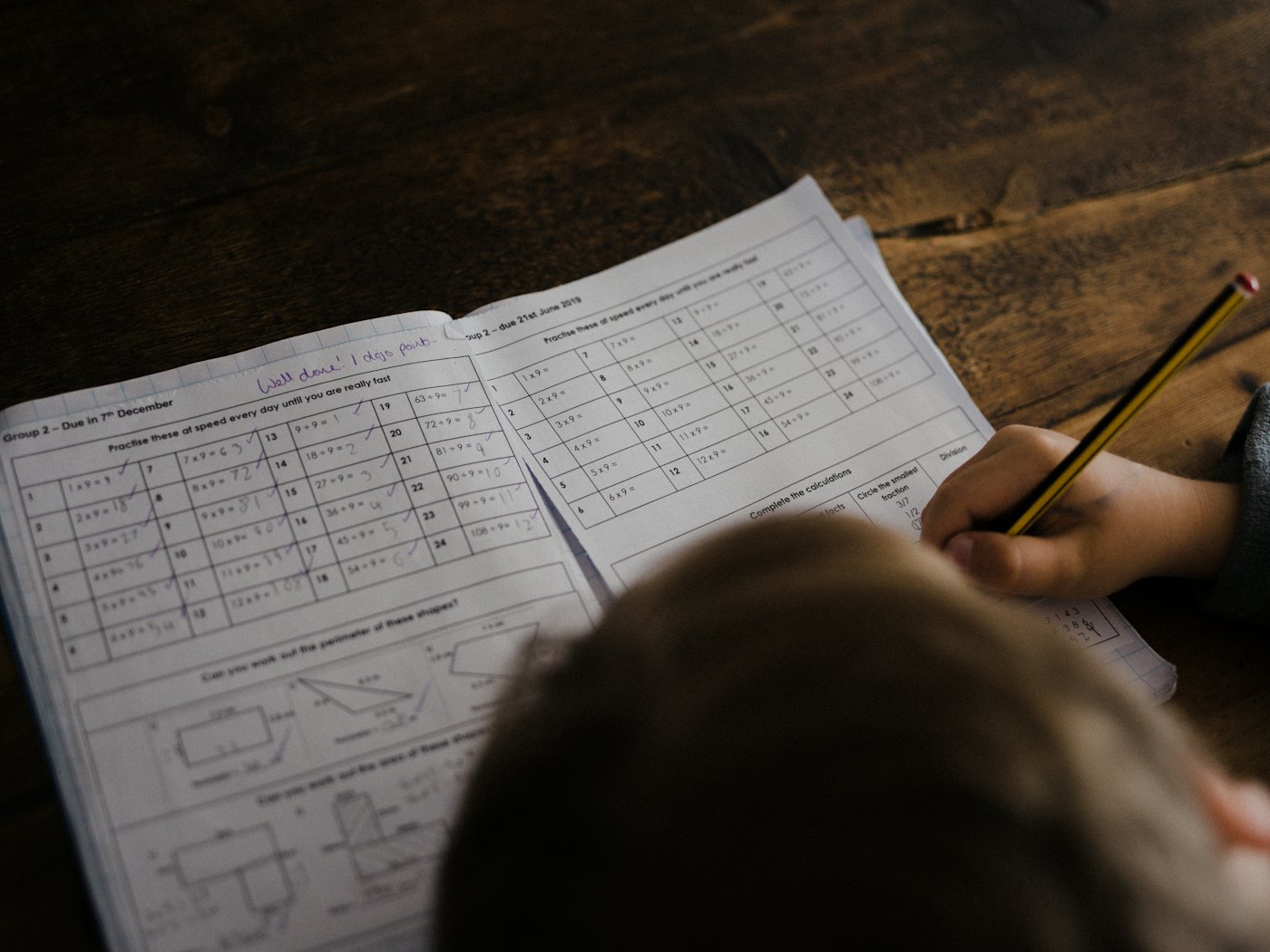
It's one of the most common, and most unsettling, surprises for parents: a child who brings home glowing maths reports sits a practice Selective paper and comes away rattled. Nothing's wrong with them. The test simply rewards a different kind of thinking from the one school spends most of its time on.
School maths vs test maths
Most classroom maths follows a pattern: here's a method, now here are ten problems that use it. The child's job is to recognise "oh, this is a long-division question" and execute. It's a fair way to teach, but it means the topic is always announced in advance.
The Selective test pulls that scaffolding away. It hands your child an unfamiliar problem with no label and asks: which ideas apply here, and in what order? The method isn't given. Working that out is the actual test.
- A school question says: "Divide these fractions."
- A test question describes a pizza cut into eight slices, half of what's left after dinner taken for lunch the next day, and asks what fraction of the whole pizza one slice represents, never once using the word "fraction."
What you're really building
Comfort with problems that don't tell you what they're about. The core skill is translation, turning a little story into the maths hiding inside it.
A concrete way to see it
Try this with your child. Give them the bare sum "36 ÷ 9" and they'll answer in a heartbeat. Now give them: "A teacher has 36 stickers and wants every student in her class of 9 to get the same number, with none left over. How many does each child get?" Same arithmetic, but watch how much more is going on. They have to decide it's a division, work out what's divided by what, and check the "none left over" detail isn't a trap. That gap, between the bare sum and the dressed-up version, is exactly where Selective marks are won and lost.
How to train it at home
Reasoning grows from two things: exposure to varied, multi-step problems, and talking the thinking out loud. The second matters more than parents expect. When your child finishes a problem, resist the urge to only check the answer. Ask, "How did you know to do that?" and "Why does that step work?" A child who can explain their reasoning owns it; a child who just got the right number may have got lucky.
And when they get one wrong, treat it as the good stuff, not the bad. A wrong answer they can talk through is worth more than a right answer they can't.
Selective Edge is not affiliated with the NSW Department of Education or the Selective High Schools Test administrators. This guide is general information for parents, drawn from publicly available test materials.