
The 68-Second Question: Helping Your Child Beat the Clock
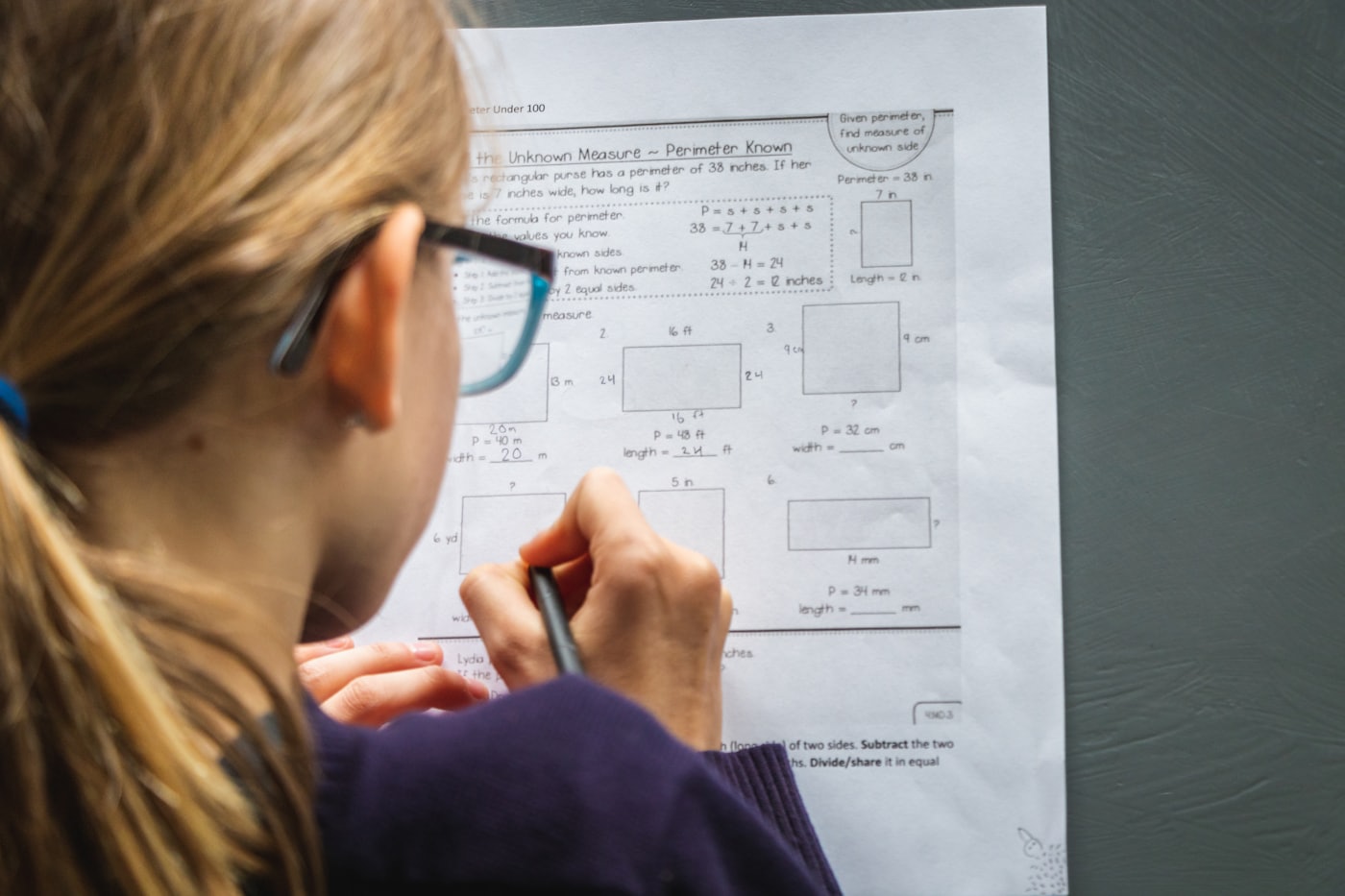
Do the arithmetic and the pressure jumps out: 40 minutes across 35 questions is about 68 seconds each, every answer worked out by hand. Talk to anyone who's marked these papers and they'll tell you the same thing, the marks children lose usually aren't to questions they couldn't do. They're to questions they ran out of time to reach.
That's actually good news, because pacing is a skill, not a talent. Here's how to build it.
Rule one: never leave a blank
There's no penalty for a wrong answer. Sit with that for a second, because it changes the whole strategy. With five options, a blind guess still has a one-in-five chance of a mark. An educated guess, crossing off the two options you know are wrong first, is far better than that. A blank scores zero, guaranteed.
So the rule you drill at home is simple: when the last minute is called, every unanswered question gets something selected. No exceptions, no "I'll come back to it." A child who internalises this often picks up two or three marks they'd otherwise have left on the table.
A rule worth drilling until it's automatic
If a question is dragging, lock in your best guess now, flag it, and move on. You can return if there's time, but you've banked a chance at the mark either way.
Rule two: triage, don't march
Weaker test-takers start at question one and grind through in order. Stronger ones don't. They make a fast first pass, scooping up every question they can answer quickly, and flag the slow ones to revisit. The logic is unarguable: a question is worth exactly one mark whether it took fifteen seconds or two minutes, so the easy marks should never be stranded behind a hard question someone got stuck on at number seven.
Teach your child to see the paper as a field of marks to be harvested, not a queue to be endured. The first job is to collect everything lying in plain sight.
Rule three: practise with the clock running
Pacing only becomes instinct under realistic conditions. Untimed worksheets build accuracy but quietly teach the wrong habit, that there's always more time. Full-length, timed papers are what install the internal clock: the gut sense of "I've spent long enough here, commit and move."
A practical routine: have your child sit one timed paper a week, then, this is the part that matters, sit with them afterwards and look only at the questions they didn't reach. Were they genuinely hard, or did an earlier question eat the minutes? That five-minute review teaches more about pacing than another hour of practice, and the same is true of the questions they did reach and got wrong: what to do with a wrong answer sorts those into the four kinds that need four different fixes.
What good pacing feels like
It isn't rushing. It's the absence of panic, the clock stops being a surprise, and the last question gets the same calm attention as the first.
Selective Edge is not affiliated with the NSW Department of Education or the Selective High Schools Test administrators. This guide is general information for parents, drawn from publicly available test materials.